

Some of the most important work shaping our communities doesn’t happen overnight – and it doesn’t always come with a ribbon cutting.
The RPC often works quietly in the background: coordinating agencies, aligning funding, navigating regulations, and bringing communities together around a shared vision. Years later, that work becomes visible in the form of safer roads, protected natural resources, stronger local economies, and places people love to use.
The New Hampshire Seacoast Greenway is a perfect example.
What people experience today as a connected, multi-use trail for is the result of years of regional coordination and planning. Long before the first section was built, RPC worked alongside municipalities, state agencies, and regional partners to help align plans, secure funding and keep the project moving forward.
That behind-the-scenes work helped transform an abandoned rail corridor into a growing regional asset – one that supports recreation, transportation, tourism, and quality of life across multiple communities.
RPC’s role is to support communities – providing the planning expertise, data, and coordination needed to turn long-term ideas into real world results. By working regionally, communities can take on projects that would be difficult or impossible to achieve alone.
Good planning may be invisible at first – but its impact is lasting.






The RPC Regional Master Plan brings towns together around a shared vision for the future, helping communities think beyond their borders and work collaboratively on challenges and opportunities they share. From transportation corridors and housing needs to environmental protection and economic vitality, the plan helps connect local priorities to a broader regional context.
Rather than prescribing solutions, the Regional Master Plan serves as a guide – offering data, perspective, and coordination to support local decision-making and encourage partnerships that strengthen the region as a whole.
Adopted in 2015, the plan continues to inform conversations, investments, and planning efforts.
Under New Hampshire law, a Development of Regional Impact is a project reviewed by a local land use board that could reasonably affect neighboring communities.
Factors that may trigger a regional impact determination include:
RPC Review Process
When a local board determines that a project may have regional impacts, the RPC follows a formal review process that involves the Regional Impact Development Committee.
For more information about making declarations of regional impacts of project, the RPC has developed a guidance document.
The Regional Impact Committee supports the RPC in fulfilling the statutory requirements under the NH Developments of Regional Impact laws.
Specifically, the committee’s role is to:
The Regional Impact Committee meets as needed, based on the receipt of a notice of regional impact from a municipality.
(5 Members; 3 Alternates)
No meeting documents are currently available.

Housing has become one of the most pressing challenges facing communities across the region. Fewer homes are being built, household sizes are declining, and populations are growing older – all while demand continues to rise. The result is a housing shortage that affects people across income levels, ages, and communities.
The 2023 Regional Housing Needs Assessment (RHNA) and Fair Housing Equity Assessment (FHEA) provides current regional and local data on housing needs as required by New Hampshire state law and the American Rescue Plan funding and fulfills the recommendation of the Council on Housing Stability 2021-2024 Strategic Plan.
This data provides a clear picture of housing supply, demand, and demographic trends, helping communities understand what is needed today and what is coming next.
Most importantly, the RHNA is designed to spark conversation and collaboration. Housing challenges do not stop at town lines, and lasting solutions will require communities working together – using shared data and coordinated action to generate regional housing solutions.
Accessory Dwelling Units – sometimes called accessory or in-law apartments – are small, independent living spaces located within or alongside a single-family home, or in an accessory structure such as a garage or barn.
ADUs offer a flexible housing option that can support young workers, students, older adults, and multigenerational households.
New Hampshire law requires municipalities to allow ADUs under certain conditions. RPC provides guidance, model ordinances, and resources to help communities understand the law, update local regulations, and thoughtfully incorporate ADUs into their housing strategies.
Resources
Clean water, open spaces, healthy soils, and thriving wildlife are part of what makes this region a great place to live and work. These natural resources support everyday life – and they also support healthy growth.
As communities change and develop, protecting these shared resources becomes more complex. Balancing growth, property rights, and long-term environmental health is one of the region’s most important challenges.
The RPC works with communities to help navigate those challenges. By working regionally and locally, RPC supports planning efforts that protect natural resources and guide development in ways that respect both the land and the people who depend on it.
Climate change is already affecting communities across New Hampshire – from heavier rainfall and flooding to rising temperatures and coastal impacts. These changes are shaping how and where communities plan, build, and protect critical resources.
While some impacts are already underway, many future outcomes will depend on choices made today about land use, infrastructure, transportation, and energy. Communities have both the opportunity and responsibility to plan ahead.
The RPC is leading efforts to raise awareness and develop technical tools and guidance in addressing climate change in the region.
Climate-Related Challenges and Impacts
Planning for Resilience
Preparing for a changing climate requires:
RPC helps communities take practical steps toward resilience by providing data, coordination, and planning support at both the local and regional level.
RPC’s Role in the Region
RPC has worked with municipalities and partners on climate-related planning efforts that include:
Coastal Communities
Coastal municipalities face heightened risks from flooding, storm surge, erosion, and sea-level rise. These challenges are intensified by development patterns and aging infrastructure. Planning now can help protect homes, businesses, natural habitats, and public investments.
Resources
The RPC is launching a new project designed to improve and protect water quality in the Powwow River Watershed. RPC needs local knowledge of existing pollution problems and potential sources of pollution. Representatives from towns in the watershed – Seabrook, Kensington, East Kingston, Kingston, Danville, Sandown, Hampstead, Newton and South Hampton – will participate on a working group. This collaborative working group will serve as a forum for sharing local knowledge about the watershed with other stakeholders.
The Powwow River watershed is largely rural and undeveloped and so threats to water quality are not always obvious. Data from the NH Department of Environmental Services indicate there are serious water quality impairments, and a need to gain a better understanding of the sources of water pollution. RPC will compile information about existing water quality problems, land use, impervious surface cover, and sensitive resources and habitat areas to create a water quality profile of the watershed.
The primary goal of the Powwow River Watershed Collaborative is to identify effective strategies to improve water quality and protect existing high quality water and natural resources. To accomplish this, collaboration across municipal boundaries and among watershed stakeholders is key!
Maps and informational Resources
Pollutant Load-Hot Spot Map Set (prepared by the UNH Stormwater Center and NH GRANIT)
Kingston – Total Phosphorous, Total Nitrogen, Total Suspended Solids
Newton – Total Phosphorous, Total Nitrogen, Total Suspended Solids
Sandown – Total Phosphorous, Total Nitrogen, Total Suspended Solids
Pollutant Load-Hot Spot data
Final Project Report to NH Department of Environmental Services Municipal Audit Report and Municipal Audit data
Outreach Materials on water quality protection: yard waste, healthy lawns, be the solution to water pollution
Funding for this project was provided in part by a Watershed Assistance Grant from the NH Department of Environmental Services with Clean Water Act Section 604(b) funds from the U.S. Environmental Protection Agency.
Water quality buffers can incorporate landscape level characteristics that contribute to water quality impairment such as steep slopes, erodible soils, stormwater runoff, and non-point and point sources of pollution.
The model buffer ordinance seeks to recognize these landscape characteristics where they occur – not on all properties and not on all development sites. The goal is to prevent water quality impairment and minimize existing impairments when possible.
The guidance in this document provides an approach to protecting the long-term quality and availability of New Hampshire’s surface water being used as a source of drinking water by a public water system. The guidance considers the current literature involving the role of buffers in maintaining water quality as well as other factors including site specific conditions, and land use best management practices.
Protecting public and private drinking water resources is most often accomplished through the following approaches:
NH Drinking Water Quality Buffer Model Ordinance (April 2022)
Refer to informational materials and technical resources from the NH Buffer Options for the Bay project at https://www.bufferoptionsnh.org/
This project was developed by Rockingham Planning Commission and Strafford Regional Planning Commission with funding provided by a Local Source Water Protection Grant from the New Hampshire Department of Environmental Services Source Water Protection Program.
Project Partner:
Strafford Regional Planning Commission
Funding credit:
Preparation of this application was funded by a Local Source Water Protection grant from the New Hampshire Department of Environmental Services, Source Water Protection Program.
Welcome to the Exeter-Squamscott River Local Advisory Committee’s (ESRLAC) Water Resource Protection Guide page! Whether you’re a resident, business owner, or local decision-maker, this is your go-to resource for practical and effective strategies to safeguard the health of the Exeter-Squamscott River Watershed.
Our guides are designed to inspire action at every level—individuals, families, and communities—empowering you to make meaningful contributions to protect water quality, enhance environmental resilience, and secure sustainable water resources for generations to come.
The Exeter-Squamscott River Watershed is a vital resource, providing clean water, recreation opportunities, and habitat for local wildlife. Protecting it is not just about preserving natural beauty; it’s about maintaining the health and well-being of our community and future-proofing our water resources in the face of environmental challenges.
By following the steps outlined in these guides, we can work together to ensure the watershed remains a thriving, sustainable ecosystem.
The Summary Document highlights key steps individuals and communities can take to better protect water resources. Dive in to discover quick wins and foundational strategies to make a positive impact today.
For more in-depth guidance tailored to your town, explore the comprehensive Water Resource Protection Guides for each community in the watershed. These guides are packed with specific actions and resources to help you take local stewardship to the next level.
Click on your community to access its Water Resource Protection Guide:
The Exeter-Squamscott River Watershed thrives when communities come together to protect and enhance its resources. Whether you’re looking to reduce stormwater runoff, improve habitat, or support clean water initiatives, there’s a role for everyone to play.
Let’s ensure that future generations inherit a watershed that’s as vibrant and life-sustaining as it is today. Explore the guides, take action, and be part of the solution!
Looking for more information or have questions? Visit ESRLAC for support and additional resources.
Accepted Items:
Proper Disposal of Prohibited Items
Household Hazardous Waste (HHW) are products that contain corrosive, flammable, toxic, or reactive ingredients. When HHW
is improperly disposed of it can pollute water, threaten human health, and harm wildlife. RPC organizes an annual HHW collection
event for communities in the Exeter area to help ensure proper disposal.
EXETER AREA HHW COLLECTION
Date—Saturday October 3, 2026
Time—8:00AM-1:00PM
Location—Exeter Public Works Garage, 13 Newfields Road
Participating Towns—East Kingston, Epping, Exeter, Greenland, Newfields, Seabrook, South Hampton, Stratham
Cost—$15 per vehicle
Pre-registration is Required—visit https://publicinput.com/exeterhhw2026
For more information, contact Jill Longval, [email protected].
Most residents in the region have limited opportunities to safely dispose of household hazardous waste – often just one collection event per year, and only during certain seasons. This makes safe disposal difficult.
The RPC is studying ways to make household hazardous waste disposal more frequent and convenient. The HHW Feasibility Study is exploring options such as additional collection events, a permanent drop off facility, and curbside collection programs.
Work on the study began in 2024 and is ongoing.
A set of land use model regulations that incorporate the best practices and updated information to help municipalities in New Hampshire adapt to climate change and coastal hazards.
Introduction
Municipalities in New Hampshire are increasingly taking steps to adapt to climate change and coastal hazards. The Resilient Land Use Guide for NH is intended to provide local officials and decision-makers with a set of land use model regulations that incorporate the best available information and practices to aid them in making informed decisions about land use within their municipalities. The Guide incorporates a wide range of topics related to resiliency and offers adaptation strategies that fit a variety of community goals and needs. Municipalities can choose regulations based on their geographic characteristic, community goals, or local issues. This Guide was developed to be user-friendly, and to allow for future expansion as needs are identified, knowledge changes, and community priorities evolve.
Developed in partnership between Rockingham Planning Commission and Strafford Regional Planning Commission, with support from the NH Department of Environmental Services Coastal Program, NH BEA Office of Planning & Development, and the NH Coastal Adaptation Workgroup.
Legal Authority & How to Adopt the Regulations
Where Are You Located?
Locations Where Regulations Apply: Descriptions & Maps
Complete Set of Descriptions & Maps
Case Studies
Community Goals Regulations Support: Open Space Protection | Stormwater Management | Flood Protection | Water Quality Protection | Drinking Water Protection | Infrastructure Protection | Environmental Protection | Economic Development | Recreation Opportunities | Transportation Enhancement |Historic & Cultural Preservation | Community Design & Aesthetics | Community Equity
Model Topics & Regulations:
For more information please contact Jenn Rowden, Land Use Program Manager at [email protected] or 603-658-0521.
Guide Outreach
NH CAW Talks Presentation (6/23/2022) – Overview of the Guide
This project was funded, in part, by NOAA’s Office for Coastal Management under the Coastal Zone Management Act in conjunction with the New Hampshire Department of Environmental Services Coastal Program.

What does it take for a community to be a great place to grow older, stay connected, active, and supported?
The RPC in collaboration with the Rockingham Nutrition Meals on Wheels Program (RNMOW) are leading a regional Age Friendly Communities Initiative to help communities plan for an aging population by creating places where residents can thrive at every age and every stage of life.
This initiative follows a nationally recognized AARP framework that considers eight dimensions of age-friendly communities:
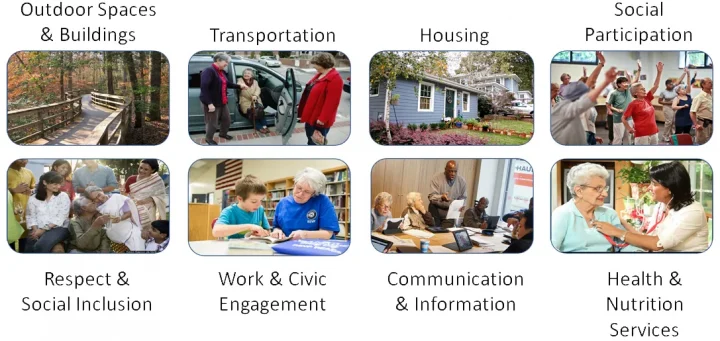
Age friendly communities are places where people can thrive at every age and state of life.
How the Initiative Works
What the Assessment Includes
Inclusive by Design
The process actively seeks input from a wide range of voices, including:
People impacted by disabilities
Contact:
Maddie Dilonno, RPC
Eric Abney, Fremont Public Library
Contact:
Scott Bogle, RPC
Al Davis, Planning Board
Joe Guthrie, Selectmen
Contact:
Scott Bogle, RPC
Jason Banchand, Hampton Town Planner
Contact:
Jill Longval, RPC
Brinn Sullivan, Portsmouth Senior Services Director
Contact:
Maddie Dilonno, RPC
Mark Connors, Hampton Town Planner
Contact:
Jill Longval, RPC
David Tovey, Exeter Recreation Department
Assessing Vulnerability of Municipal Assets and Resources to Climate Change (project concluded 2017)
Purpose
Provide Great Bay municipalities with maps and assessments of flood impacts to road and transportation assets, critical facilities and infrastructure, and natural resources associated with projected increases in storm surge, sea level and precipitation.
Municipalities
RPC Region: Newfields, Exeter, Stratham, Greenland and Newington
Strafford Region: Rollinsford, Dover, Madbury, Durham, Newmarket
Project Components
Resources
Purpose
Identify flood adaptation and resilience actions, including installing high water markers in each participating municipality.
Municipalities
Portsmouth
Seabrook
Hampton
Rye
Project Goals
Resources
Case Studies
Purpose
Municipalities
Newton
Greenland
Stratham
Exeter
Resources
Preparing New Hampshire for Projected Storm Surge, Sea Level Rise, and Extreme Participation (2016)
Assessing risk and vulnerability to sea level rise and storm surge:
A vulnerability assessment of coastal New Hampshire
(project concluded 2015)
Purpose
Municipalities
Portsmouth
New Castle
Rye
North Hampton
Hampton
Hampton Falls
Seabrook
Resources
From Tides to Storms: Preparing for New Hampshire’s Future Coast
Purpose
(project concluded March 2022)
Purpose
Resources
Purpose
Resources
Learn More